
Does your Hawaii business struggle with inventory visibility when shipments cross the Pacific? Are you juggling multiple systems to track orders from mainland suppliers while managing local distribution? You're not alone. Geographic isolation presents unique supply chain challenges for island businesses, but modern integration platforms are changing the game.
Hawaii's 2,500-mile distance from the mainland creates logistics complexities that few other U.S. businesses face. Extended shipping times, limited carrier options, and the need to maintain optimal inventory levels without overstock make supply chain management particularly challenging. The good news? Supply chain integration platforms are specifically designed to address these exact pain points through intelligent automation and real-time connectivity.
Understanding Supply Chain Integration Platforms
Supply chain integration platforms are cloud-based systems that connect your various business applications—from inventory management and procurement to shipping and accounting—into a unified ecosystem. According to recent reports from Wired on supply chain integration platforms addressing logistics challenges, these solutions are becoming essential for businesses dealing with complex, multi-location operations.
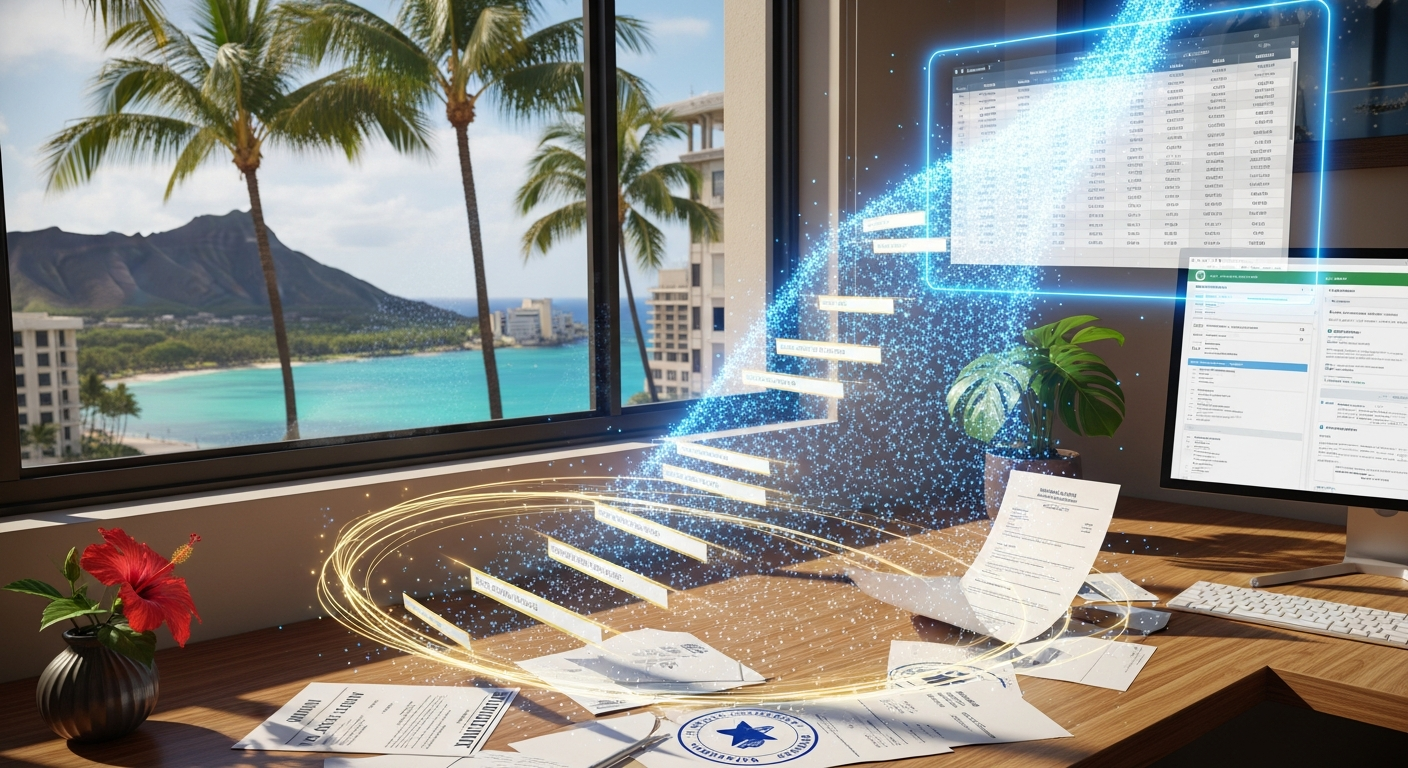
Think of these platforms as the central nervous system for your supply chain. They automatically share data between your warehouse management system, your e-commerce platform, your accounting software, and your shipping carriers. When a customer places an order, the platform immediately checks inventory levels, initiates fulfillment, updates financial records, and provides tracking information—all without manual intervention.
For Hawaii businesses, this integration becomes even more critical. When you're coordinating shipments from multiple mainland suppliers, managing inter-island distribution, and serving both local and tourist customers, having disconnected systems creates bottlenecks and blind spots that can prove costly.
The Hawaii-Specific Supply Chain Challenge
Let's consider the unique obstacles island businesses face. Imagine a Honolulu retailer that sources products from California, Oregon, and Texas suppliers. Each shipment requires 7-10 days of ocean transit, plus additional time for port processing and local delivery. Without integrated systems, this retailer might:
- Manually check multiple supplier portals for order status updates
- Struggle to provide accurate delivery estimates to customers
- Miss opportunities to consolidate shipments and reduce freight costs
- Experience stockouts because reorder points don't account for extended lead times
- Waste time reconciling invoices across different systems
These inefficiencies compound quickly. A missed shipment consolidation opportunity might cost hundreds in additional freight charges. A stockout during peak tourist season could mean thousands in lost revenue. Manual data entry errors can lead to incorrect inventory counts that cascade through your entire operation.
How Integration Platforms Solve Island Logistics Challenges
Modern supply chain integration platforms address these challenges through several key capabilities that are particularly valuable for Hawaii businesses:
Real-Time Inventory Visibility Across Multiple Locations
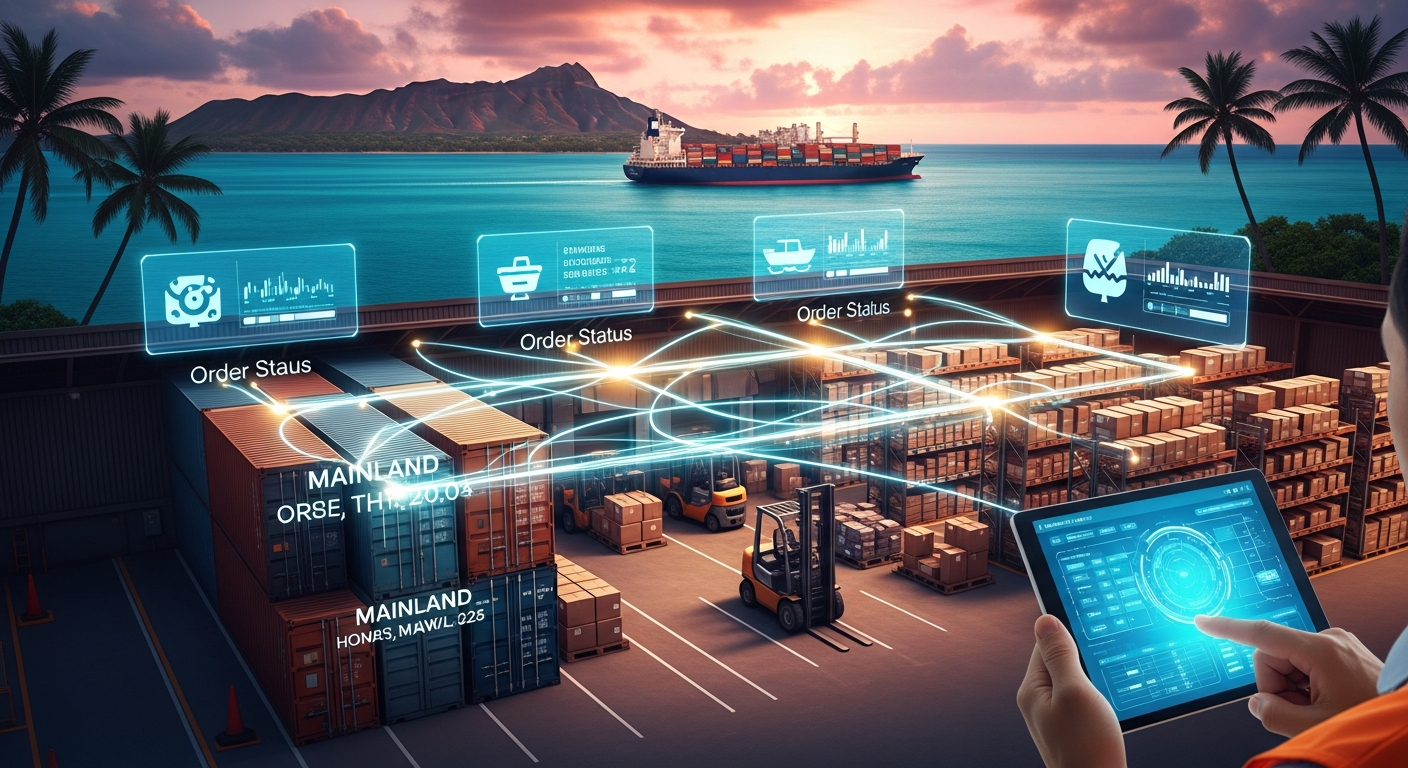
Integration platforms provide a single source of truth for your inventory, regardless of whether products are in a mainland warehouse, on a container ship crossing the Pacific, at a local distribution center, or in your retail location. This visibility allows you to make informed decisions about reordering, allocation, and customer commitments.
For example, a Hawaii tour operator could track equipment and supplies across multiple island locations, automatically triggering reorders when inventory falls below safety stock levels that account for extended shipping times. The system would factor in current orders in transit, preventing over-ordering while ensuring you never run out of critical items.
Automated Order Routing and Fulfillment
When orders come in from multiple channels—your website, phone orders, wholesale accounts, or third-party marketplaces—integration platforms can automatically route them to the optimal fulfillment location. For Hawaii businesses, this might mean shipping certain items directly from a mainland warehouse to outer island customers, while fulfilling Oahu orders from local inventory.
The platform considers factors like shipping costs, delivery time requirements, inventory availability, and customer location to make these decisions automatically. This optimization can significantly reduce your overall logistics costs while improving delivery times.
Intelligent Demand Forecasting with Hawaii-Specific Variables
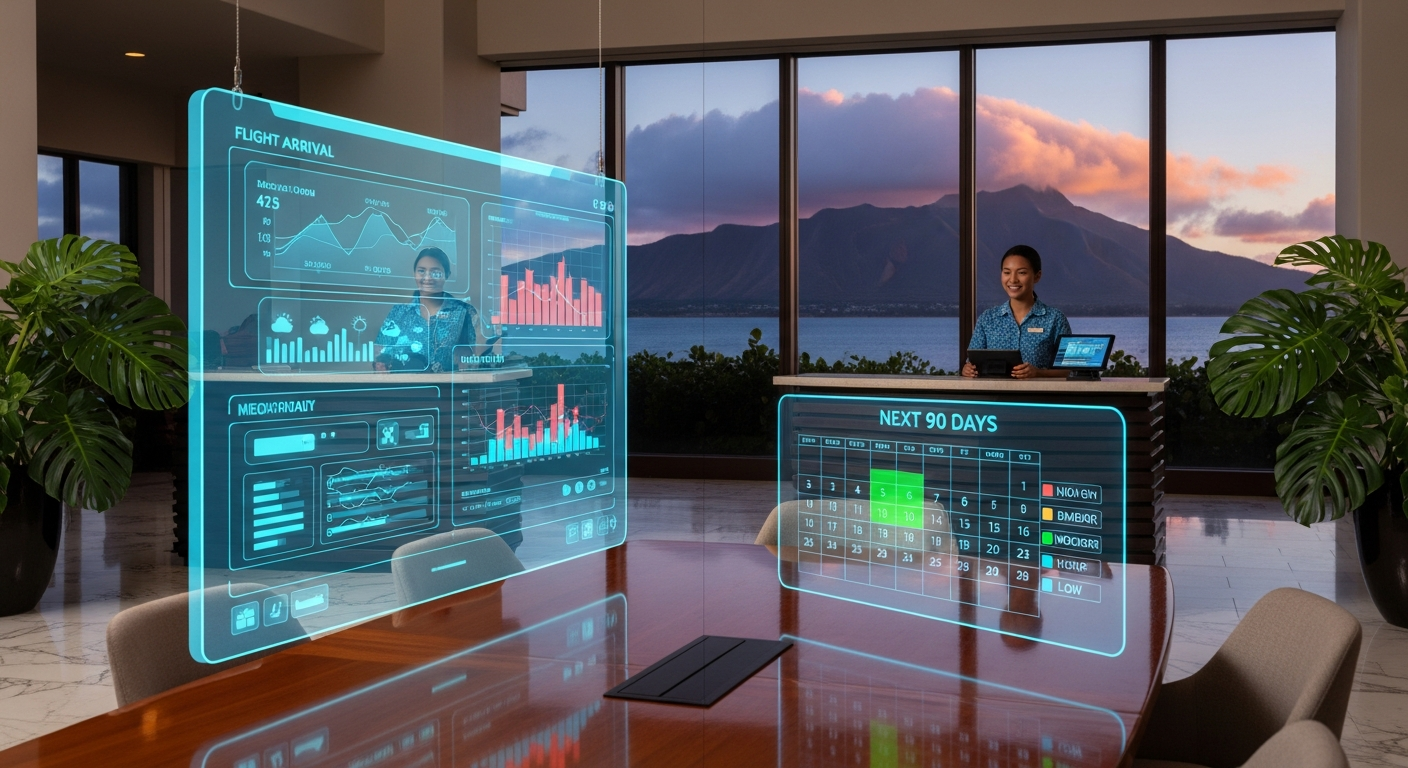
Advanced integration platforms incorporate machine learning to predict demand based on historical data, seasonal patterns, and external factors. For Hawaii businesses, this means the system can learn to anticipate tourist season spikes, account for major events like conventions or sporting events, and adjust reorder points based on shipping delays or carrier schedule changes.
Consider how a Waikiki restaurant supplier could benefit from demand forecasting that accounts for hotel occupancy rates, cruise ship arrivals, and historical ordering patterns. The system would automatically adjust purchase orders to ensure adequate stock without tying up capital in excess inventory.
Streamlined Multi-Carrier Management
Hawaii businesses often work with multiple carriers—Matson for ocean freight, Young Brothers for inter-island shipping, and various parcel carriers for smaller shipments. Integration platforms connect with these carriers through APIs, automatically selecting the most cost-effective option for each shipment while providing tracking updates to customers.
As highlighted in recent coverage from TechCrunch on API-first integration platforms, modern iPaaS (Integration Platform as a Service) solutions make it remarkably simple to connect with multiple systems through standardized APIs, eliminating the need for custom coding or complex integrations.
The Cloud Advantage for Hawaii Businesses
Cloud-based integration platforms offer particular advantages for island businesses. Because the software runs in the cloud rather than on local servers, your team can access critical supply chain data from anywhere—whether they're at your Honolulu office, visiting an outer island location, or meeting with mainland suppliers.
Recent analysis from VentureBeat on cloud-based ERP systems in the hospitality industry shows that businesses adopting cloud integration platforms see significant improvements in operational efficiency and decision-making speed. This trend is particularly relevant for Hawaii's tourism-dependent economy, where many businesses need to coordinate complex supply chains to serve guests.
Cloud platforms also eliminate the need for significant upfront IT infrastructure investments. You pay a predictable monthly fee based on your usage, and the platform provider handles all maintenance, updates, and security. For small to medium-sized Hawaii businesses, this makes enterprise-grade supply chain technology accessible without requiring a large IT department.
Real-World Applications for Hawaii Business Types
Different Hawaii businesses can leverage supply chain integration platforms in ways tailored to their specific needs:
Retail Operations
Hawaii retailers can integrate their point-of-sale systems with inventory management, e-commerce platforms, and supplier ordering systems. When a product sells in your store, the platform automatically updates your online inventory, and when stock reaches reorder points, it can generate purchase orders to mainland suppliers. The system accounts for shipping times to ensure you maintain optimal inventory levels.
Food Service and Hospitality
Hotels and restaurants can connect their property management systems or POS systems with food and beverage suppliers, linen services, and amenity vendors. The platform can track consumption patterns, automatically reorder supplies, and even suggest menu adjustments based on ingredient availability and cost fluctuations.
Construction and Contracting
Hawaii contractors often face challenges with material availability and shipping delays. Integration platforms can help track materials across multiple projects, coordinate deliveries to job sites, and provide early warning when critical supplies might be delayed, allowing you to adjust schedules proactively.
Healthcare and Medical Supplies
Medical practices and clinics can ensure critical supplies never run out by integrating their inventory systems with mainland medical suppliers. The platform can track expiration dates, manage regulatory compliance documentation, and maintain optimal stock levels of essential items.
Implementation Considerations for Hawaii Businesses
While supply chain integration platforms offer tremendous benefits, successful implementation requires careful planning. Here are key considerations for Hawaii businesses:
Start with Your Biggest Pain Points
You don't need to integrate everything at once. Begin by identifying your most significant supply chain challenges. Is it inventory visibility? Order fulfillment accuracy? Shipping cost optimization? Start with integrations that address these critical issues first, then expand from there.
Choose Platforms with Pre-Built Connectors
Look for integration platforms that offer pre-built connectors for the systems you already use. If you're running QuickBooks for accounting, Shopify for e-commerce, and working with Matson for shipping, ensure your chosen platform can easily connect with these systems without requiring extensive custom development.
Consider Your Growth Trajectory
Select a platform that can scale with your business. If you're currently operating on Oahu but planning to expand to neighbor islands or even the mainland, ensure your integration platform can handle increased complexity without requiring a complete overhaul.
Factor in Training and Change Management
Your team will need to adapt to new workflows and processes. Budget time and resources for proper training, and consider working with a technology consultant who understands both the platform capabilities and Hawaii's unique business environment.
Ready to explore how supply chain integration can transform your Hawaii business operations? Contact LeniLani Consulting to discuss your specific challenges and discover customized integration solutions that account for island logistics realities.
Measuring Success: Key Performance Indicators
Once you've implemented supply chain integration, track these metrics to measure your return on investment:
- Order fulfillment accuracy: Percentage of orders shipped correctly without errors
- Inventory turnover rate: How quickly you're moving inventory compared to previous periods
- Carrying costs: Reduction in capital tied up in excess inventory
- Stockout frequency: How often you run out of critical items
- Order processing time: Time from order receipt to shipment
- Shipping cost per order: Average freight and handling costs
- Manual data entry hours: Time saved through automation
Many Hawaii businesses implementing supply chain integration platforms report 20-30% reductions in carrying costs within the first year, along with significant improvements in customer satisfaction due to better inventory availability and more accurate delivery estimates.
The Future of Supply Chain Integration
Supply chain integration technology continues to evolve rapidly. Emerging capabilities particularly relevant for Hawaii businesses include:
Artificial intelligence and predictive analytics: Advanced AI algorithms can predict supply chain disruptions before they occur, suggest alternative suppliers when delays are anticipated, and optimize inventory levels based on hundreds of variables simultaneously.
IoT sensor integration: Internet of Things devices can track shipment conditions in real-time, particularly important for temperature-sensitive goods crossing the Pacific. Integration platforms can automatically alert you if a refrigerated container experiences temperature fluctuations during transit.
Blockchain for supply chain transparency: Blockchain technology is beginning to enable unprecedented visibility into product origins and chain of custody, which could be particularly valuable for Hawaii businesses dealing with organic, sustainable, or locally-sourced products where authenticity matters.
Getting Started with Supply Chain Integration
If you're ready to overcome geographic isolation challenges and optimize your mainland logistics, start with these steps:
- Audit your current systems: Document all the software and platforms you currently use for supply chain management, from ordering to fulfillment to accounting.
- Identify integration opportunities: Look for places where you're manually transferring data between systems or where lack of visibility creates problems.
- Define your goals: What specific outcomes do you want? Reduced shipping costs? Better inventory turnover? Fewer stockouts?
- Research platform options: Look for integration platforms that serve businesses similar to yours and have experience with Hawaii logistics challenges.
- Consult with experts: Work with technology consultants who understand both integration platforms and Hawaii's unique business environment.
The geographic challenges of operating a Hawaii business aren't going away, but supply chain integration platforms give you powerful tools to overcome them. By connecting your systems, automating workflows, and gaining real-time visibility into your supply chain, you can compete effectively despite the Pacific between you and mainland suppliers.
Your Next Steps
Supply chain integration isn't just about technology—it's about transforming how your Hawaii business operates in a geographically challenging environment. The right integration platform, properly implemented, can turn your location from a liability into a competitive advantage by enabling operational excellence that mainland competitors might overlook.
Whether you're a small retailer struggling with inventory visibility, a restaurant managing multiple suppliers, or a growing business preparing to expand across islands, supply chain integration platforms offer solutions tailored to your specific challenges.
Don't let geographic isolation limit your business potential. Schedule a consultation with LeniLani Consulting today to explore how supply chain integration can optimize your operations, reduce costs, and position your Hawaii business for sustainable growth.